
A happy and productive life depends on maintaining great health. Your quality of life can be greatly enhanced by taking a balanced approach to your mental, emotional, and physical health. The following complete guidance will assist you in developing a healthier lifestyle:
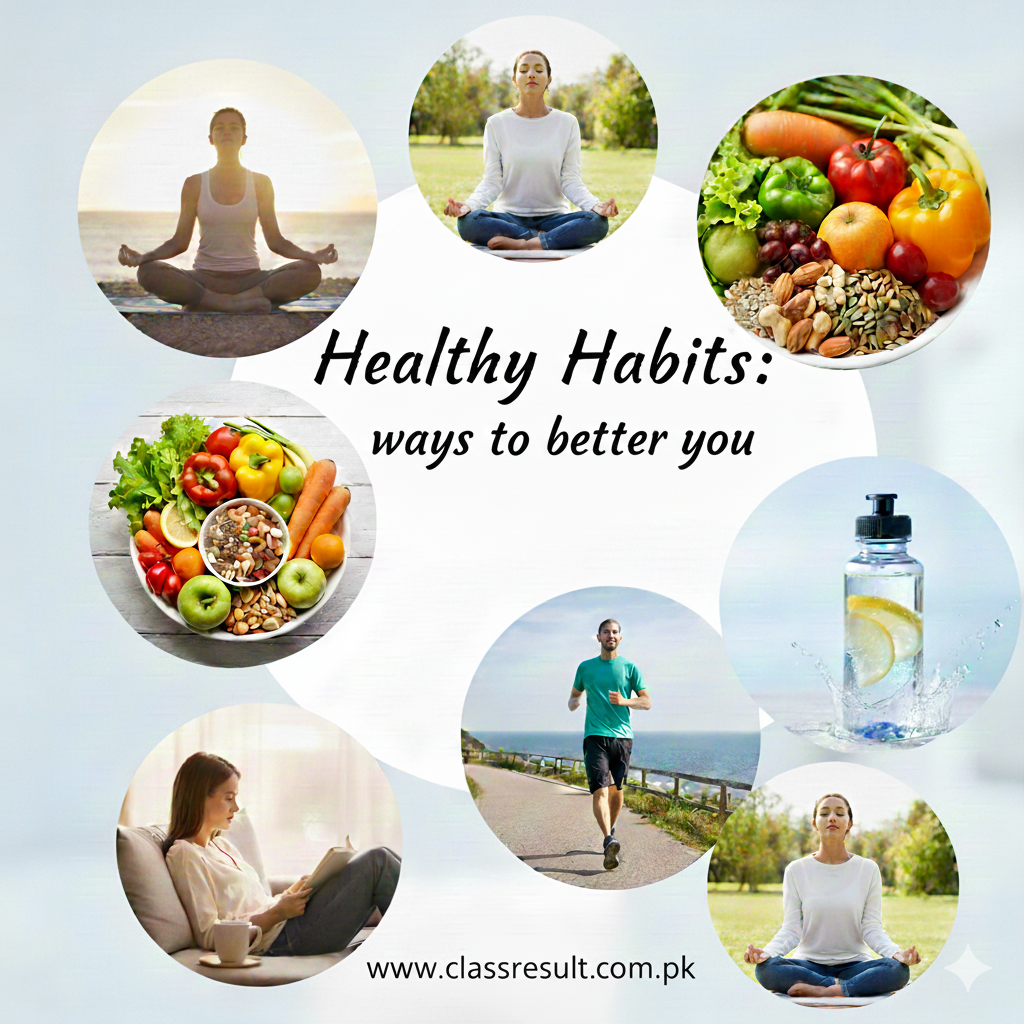
Balanced Nutrition:
A balanced diet is essential for maintaining excellent health. Give attention to foods that are high in nutrients and offer vital vitamins, minerals, and energy.
Fruits and Vegetables: Every day, try to have half of your plate full of a variety of colorful fruits and vegetables. They are high in fiber, antioxidants, and phytochemicals that lower inflammation and boost immunity.
Whole Grains: Pick whole grains over refined grains, such as brown rice, quinoa, oats, and whole wheat. More fiber from whole grains improves digestion and helps keep blood sugar levels steady.
Lean Proteins: Add foods like fish, chicken, almonds, beans, lentils, and tofu. Omega-3 fatty acid-rich fish, such as salmon and mackerel, promote heart and brain function.
Healthy Fats: Add unsaturated fats from nuts, seeds, avocados, and olive oil. Avoid trans fats, which are included in many processed foods, and limit saturated fats.
Hydration: Water consumption is essential for digestion, detoxification, and metabolism. Aim for approximately 8 glasses (2 liters) every day, taking climate and activity level into mind.
Mindful Eating: Be mindful of hunger signals and avoid distracted or emotional eating. Eating slowly, can assist avoid overindulging and enhance digestion.
- Consume a wide range of foods that are high in antioxidants, vitamins, and minerals.
- Make sure your diet is rich in fruits, vegetables, whole grains, lean meats, and healthy fats.
- Reduce your consumption of processed foods, added sugars, and too much salt.
- Drink enough water throughout the day to stay hydrated.
Regular Physical Activity:
Exercise improves mood and strengthens the body and mind, preventing chronic illnesses.
Aerobic Exercise: Exercises that improve cardiovascular health include swimming, cycling, jogging, and brisk walking. Every week, try to get in at least 150 minutes of moderate-intensity or 75 minutes of vigorous-intensity activity.
Strength Training: Use resistance activities (weights, bodyweight workouts) at least twice a week to increase and preserve muscular mass. This promotes bone health and metabolism.
Flexibility and Balance: Use tai chi, yoga, or stretching to keep your joints healthy and lower your chance of injury.
Daily Movement: Avoid extended sitting; especially if you work at a desk, take frequent breaks to stand, stretch, or go for a walk.
Set Realistic Goals: To create a sustainable routine, start with enjoyable activities and progressively increase the duration and intensity.
- Every week, try to get in at least 150 minutes of moderate aerobic exercise or 75 minutes of intense exercise.
- To preserve muscular mass, incorporate strength-training activities twice a week.
- To keep motivated, find things you enjoy doing, like yoga, swimming, cycling, or walking.
Adequate Sleep:
Sleep is essential for mental clarity, emotional control, and physical healing.
Consistency: Even on the weekends, set a consistent bedtime and wake-up time.
Create a Sleep-Friendly Environment: Make sure your bedroom is quiet, dark, and chilly. Reduce exposure to blue light by using blackout curtains and limiting screen time before bed.
Relaxing Pre-Sleep Routine: To let your body know it’s time to relax, take a warm bath, read, or practice meditation.
Limit Stimulants: Stay away from coffee, nicotine, and large meals right before bed.
Address Sleep Issues: See a medical expert if you have ongoing issues (such as sleeplessness or sleep apnea).
- Aim for seven to nine hours of good sleep every night.
- Create a regular sleep schedule by going to bed and waking up at the same time every day.
- Reduce light, noise, and technology distractions to create a peaceful atmosphere.
Stress Management:
Prolonged stress can have detrimental effects on your digestion, immunity, and mental well-being.
Relaxation Techniques: Regularly engage in gradual muscular relaxation, guided visualization, deep breathing, or mindfulness meditation.
Physical Activity: Stress-relieving endorphins are released during exercise.
Social Support: Talk to family, friends, or support groups about how you are feeling.
Time Management: To lessen overwhelm, prioritize and arrange work.
Professional Help: If stress, anxiety, or depression interfere with day-to-day functioning, seek counseling or therapy.
- Engage in relaxing methods such as mindfulness, meditation, or deep breathing.
- Take part in enjoyable hobbies and social activities that create connection.
- If stress becomes too much to handle, get professional assistance.
Avoid Harmful Habits:
Your health risks are directly impacted by the lifestyle choices you make.
Alcohol: it is not good for your health so you should avoid it entirely.
Tobacco and Drugs: Stay away of smoking and illegal drug use, as these are significant risk factors for respiratory issues, cancer, and cardiovascular disease.
Medication Safety: Make careful consumption of both nonprescription and prescription drugs. Observe directions and talk to your doctor about any negative effects.
- Limit your alcohol intake and abstain from smoking and illegal drug use.
- Pay attention to how you use medications and follow physician recommendations.
- Follow frequent medical examinations.
- To keep an eye on your health, schedule regular dental and medical examinations.
- Continue getting the appropriate immunizations and checkups.
6. Regular Health Check-ups
Preventive healthcare helps identify problems early and maintain wellbeing.
Screenings: Stick to age, gender, and family history-based recommendations for blood pressure, cholesterol, blood sugar, cancer screenings, and other testing.
Vaccinations: Maintain current vaccination records to keep yourself away from infectious diseases.
Dental Care: To avoid gum disease and tooth decay, brush and floss every day and make frequent dentist appointments.
- Create and maintain a supportive network with friends, family, and neighbors.
- Take part in volunteer work or group activities to promote the sense of community.
- You can improve your general health and lower your chance of developing chronic illnesses by incorporating these healthy suggestions into your everyday practice. Remember that the biggest long-lasting advantages for health are frequently due to the impact of modest, regular changes.
7. Maintain Social Connections
Good mental and physical health are associated with strong social bonds.
Build Relationships: Spend time with your loved ones and friends. Good social contacts improve self-esteem and lessen emotions of loneliness.
Community Involvement: To encourage a feeling of community, take part in associations, volunteer work, or group activities.
Communication: To strengthen relationships, engage in empathy and active listening.
Work-Life Balance: Make time for social activities in addition to your professional and private responsibilities.
Finally yet importantly, living a healthy lifestyle involves integrating social, mental, and physical well-being throughout one’s life. Be patient with yourself and accept small adjustments. Prioritize progress above perfection, and ask for help when you need it. Throughout your life, you can experience increased energy, resilience, and pleasure by taking care of your body and mind with these helpful suggestions. For more healthy tips and suggestion you are requested to keep visiting our website which is www.classresult.com.pk.
Leave a Reply