
In order to promote economic growth, empower youth, advance digital transformation, and improve social welfare, Pakistan’s government has revealed a number of ambitious plans and projects as the country approaches 2026. These initiatives are part of a strategic plan to solve major issues like poverty, unemployment, education, and infrastructure development while making Pakistan a competitive force in the world economy. The main government initiatives influencing Pakistan’s future in 2026 are listed in detail below.
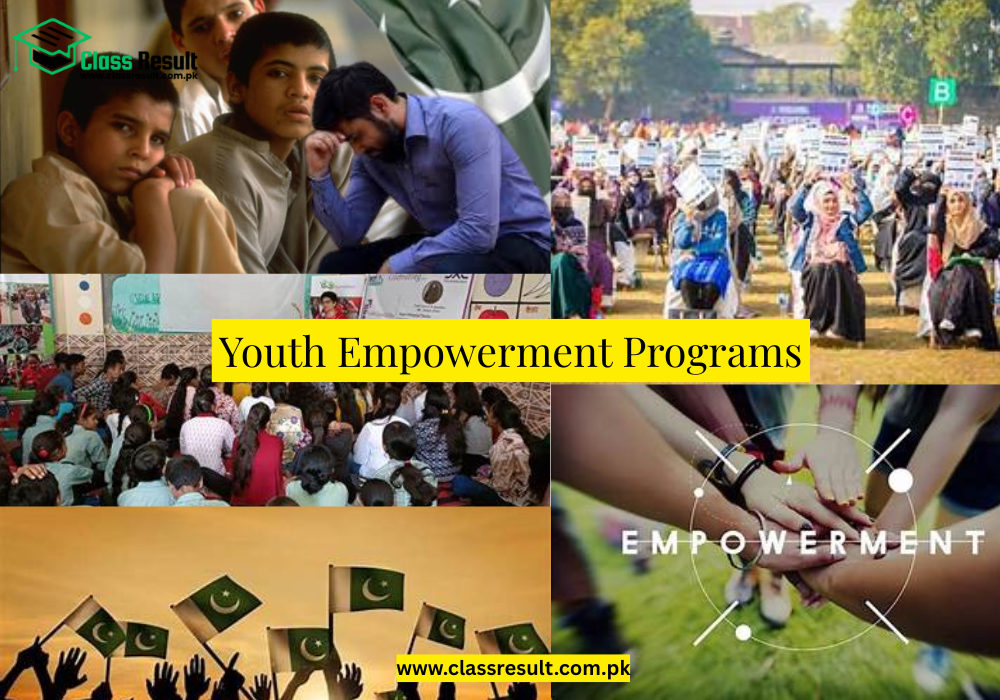
1. Youth Empowerment Programs: The Year of Youth
Punjab Chief Minister Maryam Nawaz made history by announcing 2026 as the “Year of Youth” and introducing a massive package aimed at empowering the young generation. Understanding that young people are the foundation of every country’s development, this program consists of a number of key components intended to promote learning, skill development, and career opportunities:
Distribution of 100,000 Electric Bikes and Laptops: For students and young professionals, these technologies are designed to improve digital learning capacities and facilitate mobility.
Scholarships and Financial Support: Every year, a significant number of scholarships will be awarded to promote higher education.
Parwaz Card Scheme: This creative card will help young people with skills by giving them access to professional development opportunities, training, and work opportunities abroad.
Artificial Intelligence (AI) Center in Lahore: The creation of a specialized AI center will promote innovation, research, and development in cutting-edge technologies, training young people for the workforce of the future.
By empowering young Pakistanis to make significant contributions to the nation’s growth, this youth-centric approach is anticipated to have a lasting impact across other sectors.
2. Accelerating Digital Transformation
Pakistan’s modernization plan is centered on digitalization. One important step toward incorporating technology into public services and governance is the creation of the Pakistan Digital Authority under the Digital Nation Pakistan Act, 2025. The government intends to fully digitize all federal and provincial payments by the middle of 2026, which will:
- Enhance transparency and accountability.
- Reduce bureaucratic delays.
- Facilitate easier access to government services for citizens.
In addition, e-governance, digital literacy, and broadband infrastructure expansion are all part of the digital transformation plan. The goal of these initiatives is to establish Pakistan as a digitally capable country that can use technology to achieve long-term prosperity.
3. Social Welfare and Poverty Alleviation
One of Pakistan’s most prominent social safety net programs is still the Benazir Income Support Programme (BISP). Millions of families living below the poverty line are now covered by BISP, which was established in 2008. Over 43 million families had participated in the program as of late 2025, totaling about 190 million individuals nationwide.
Key features of BISP include:
Unconditional Cash Transfers: giving low-income families financial support so they can meet their basic needs.
Healthcare Access: Under the program, more than 14.6 million people have used medical services at institutions that have been accredited.
Women Empowerment: BISP empowers women both socially and economically in their homes and communities.
This initiative is essential for lowering poverty, boosting vulnerable populations’ access to education, and improving health outcomes.
4. Infrastructure and Economic Development through CPEC
One of the main pillars of Pakistan’s infrastructural and economic development strategy is still the China-Pakistan Economic Corridor (CPEC). Both nations decided to start a number of new initiatives under the CPEC framework in 2025, with an emphasis on:
- Enhancing regional connection by growing rail and road networks.
- Increasing the production of energy from both conventional and renewable sources.
- Creating special economic zones and industrial zones to increase exports and production.
These initiatives are anticipated to boost Pakistan’s business environment overall, draw in foreign investment, and generate thousands of new employment. The influence of CPEC will become more apparent by 2026 in terms of increased trade flows and modernized infrastructure.
5. International Financial Support for Sustainable Development
In a significant development, Pakistan and the World Bank agreed to a $20 billion, ten-year finance deal that would start in 2026. This long-term financial assistance focuses on important industries like:
Renewable Energy: to boost sustainable power generation and deal with the energy shortage.
Education: lowering learning poverty by enhancing learning outcomes, quality, and access.
Social Sector Development: addressing vulnerability to climate change, poverty alleviation, and child stunting.
Pakistan’s commitment to achieving the Sustainable Development Goals (SDGs) and developing resilience against economic and environmental problems is demonstrated by the collaboration with the World Bank.
Top government schemes in Pakistan for 2026
Together, Pakistan’s major government initiatives for 2026 offer a strong foundation for the country’s advancement. Pakistan is building the foundation for a more prosperous, inclusive, and sustainable future by emphasizing youth empowerment, digital transformation, social welfare, infrastructural development, and international cooperation.
In addition to improving the lives of millions of Pakistanis, these programs seek to increase the nation’s ability to compete internationally. The success of these programs will depend on their efficient execution, openness, and ongoing interaction with all parties involved, including the corporate sector and civil society, as they develop over the year.
Pakistan’s 2026 journey is one of aspiration and hope, demonstrating the determination and promise of its people and leadership.
Leave a Reply